Switching from Windows to Linux
Linux has always been something I’d heard about but dismissed. To me, it seemed like an operating system only for highly technical users, so I never gave it much thought. I watched a few YouTube videos on Linux and became interested in the various distributions, but I felt most comfortable with Windows. By 2018, I had saved enough money to buy a MacBook, discovered the Apple ecosystem, and I was instantly hooked!
I still remember the thrill of unboxing my first iPhone. The sleek glass, the seamless hand‑off with iCloud. It felt like stepping into a futuristic clubhouse where everything just clicked. Around the same time, I got really into video games and splurged on a PlayStation 4. Later a friend surprised me with a custom‑built gaming rig. A Radeon RX 570 paired with an Intel i7, The case was old and bit junky, but it worked like a charm, the perfect gateway into the world of PC gaming. Red Dead Redemption 2 at a perfect 1080p all max settings, it was a dream. The sprawling Wild West stretched across my screen.
But the real game‑changer was Skyrim. The dragons the endless dungeons waiting to be explored. I dove in, and before I knew it, I was so deep into the modding community. Each new mod felt like discovering a secret passage in a familiar castle. I was a “mod‑monster,” chasing the next visual overhaul, the next gameplay tweak, and loving every minute of it. Modding Skyrim is indeed a game in itself.
One night, scrolling through Reddit, I stumbled on a bold claim: “Don’t play Red Dead in 4K, you’ll never be the same.” Curiosity got the better of me. I cranked the resolution up on my tiny, it was the best 18 fps I have ever seen. My rig survived, but the experience was a revelation. The textures were jaw‑dropping, the lighting felt cinematic, and suddenly I realized: if I could push it to 2K, the game would be nothing short of spectacular.
The Wake up Call
I decided it was time for a serious overhaul, so I rebuilt my pc, more like rebuilt a new pc. An AMD 6800 XT paired with a 10th‑gen Intel i7. Red Dead Redemption 2 at 2k with high to medium settings and 4K with medium to low settings were all a great deal better that 1080p and gave me 60fps for the first time. At the same time, Microsoft was nudging everyone toward Windows 11. I finally made the jump, mostly because I assumed it would be the better experience. But the future turned out to be a little too… forward. Shortly after the upgrade, the Recall feature rolled out. It silently snapped screenshots of my desktop, stored them unencrypted, and fed the data straight into Microsoft’s AI engine. Suddenly I was staring at a privacy nightmare: a system that watched my every move, harvested my habits, and sold the insights back to me in the form of “smart” suggestions.
That realization sparked a deep dive into my own digital footprint. I started pulling apart Windows 11’s settings, reading security blogs, and watching countless YouTube exposés. The more I learned, the more uneasy I felt about handing over control to a platform that seemed to thrive on data collection. I decided it was time for a change. Though I started small I subscribed to Proton email and started slowly migrating from google, though it it still not a complete migration it gave me more control over my privacy and what I I wanted google to see.
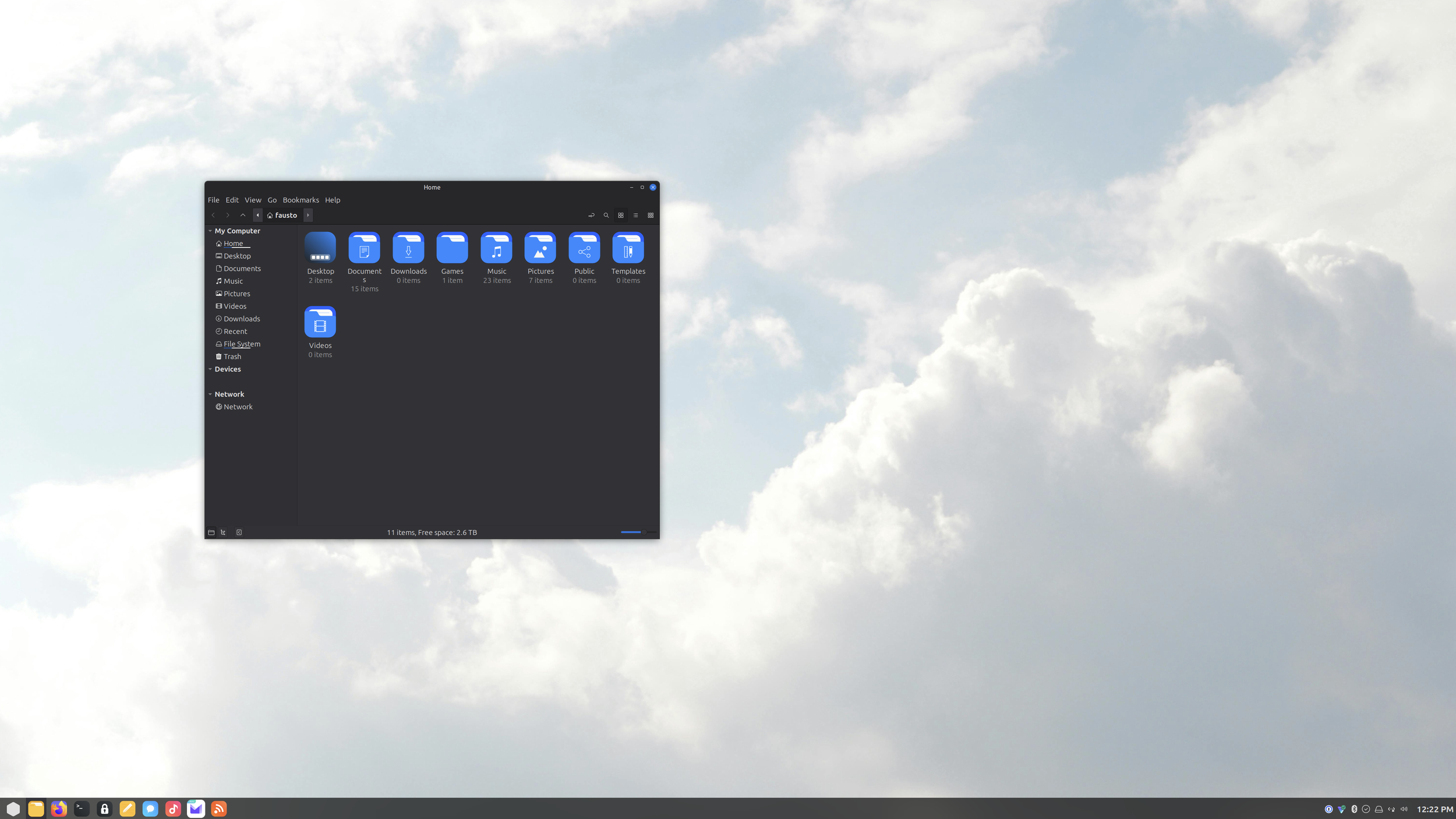
By the end of the year, I was on a mission: find an operating system that respected my privacy, didn’t bombard me with ads, and still felt familiar after years of living in the Windows and Apple ecosystems. That’s when Linux Mint entered the picture. Linux Mint offered a Windows‑like experience, the Start menu, familiar file explorer, and a gentle learning curve, without the hidden telemetry, aggressive advertising, or AI‑driven snooping. It felt like a breath of fresh air, a place where I could finally reclaim ownership of my own machine.
Feeling grateful for the experience, I chipped in my first $50 donation to the Linux mint open‑source project that had made a real difference in my workflow. It was a small way of saying “thank you” to the community that had given me so much. Around the same time, I downloaded Signal and invited my immediate family to join. Seeing them adopt a secure, privacy‑focused messenger reinforced why I love open source so much. I even sent a contribution their way, just to keep the momentum going.
You don’t have to donate, everything is free and open source by design. But occasionally you stumble upon something that’s simply that good, and you want to help it thrive. That’s exactly how I felt, and I’m happy to give back whenever I can.
On the next blog post, I will discuss gaming on linux and how I set up my pc to provide me the best experience, PS it is honestly easier that Windows and it is great!
Source for Wallpaper: https://www.pexels.com/photo/white-clouds-on-blue-sky-19670/ by Miguel Á. Padriñán